
PAST EXHIBITION
50 YEARS OF THE GALLERY






SPLENDID ISOLATION
50 YEARS OF THE GALLERY
18/04 - 19/04/2026
Art Alarm 18. + 19.04.2026
CHRISTIAN BOLTANSKI, CHRISTO & JEANNE-CLAUDE, UGO DOSSI, CONCHA JEREZ, SANGYONG LEE,
WONHO LEE, JEAN LE GAC, LES LEVINE, MUNTADAS, MORGAN O'HARA, ANNE AND PATRICK POIRIER
SPLENDID ISOLATION 2
21/04 - 5/06/2026
MYRA BROOKLYN
UGO DOSSI
SANGYONG LEE
WONHO LEE
LES LEVINE
MUNTADAS
MORGAN O'HARA
LAWRENCE WEINER
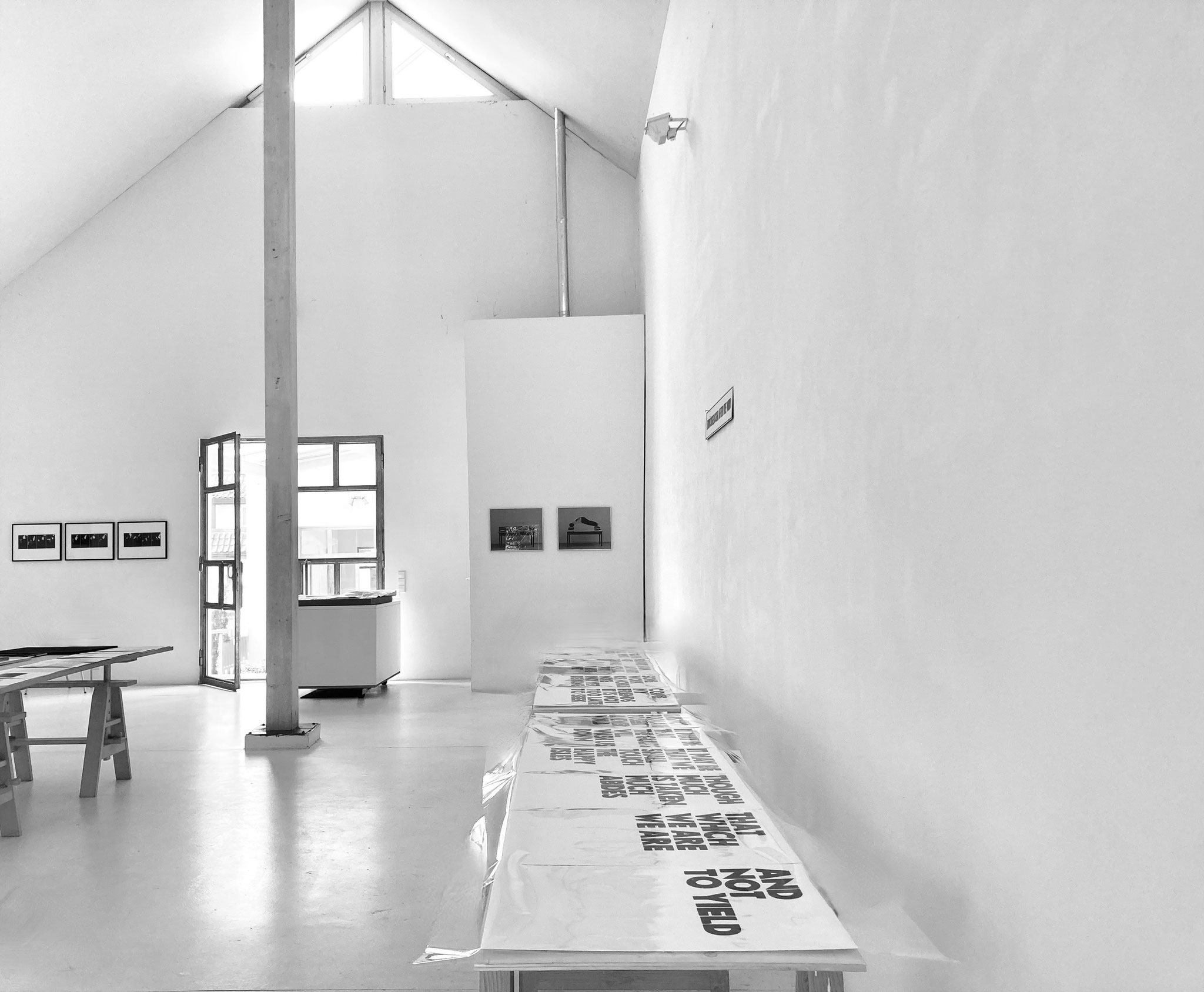
SPLENDID ISOLATION bezeichnet einen Zustand produktiver Abgeschiedenheit, der sich im Spannungsfeld von Rückzug und Öffnung, Autonomie und Relationalität entfaltet. Der Begriff, historisch im Kontext politischer Selbstpositionierung verankert, wird hier als ästhetische und epistemologische Kategorie neu gefasst: Isolation erscheint nicht als Entzug von Welt, sondern als spezifische Bedingung ihrer Wahrnehmung und Analyse. Die Ausstellung versammelt Positionen von Myra Brooklyn, Ugo Dossi, Sangyong Lee, Wonho Lee, Les Levine, Antoni Muntadas, Morgan O’Hara und Lawrence Weiner. Die Galerie fungiert dabei als Raum der Verdichtung. In einer Gegenwart, die durch permanente Konnektivität, mediale Überlagerung und Beschleunigung strukturiert ist, wird Isolation zu einer bewussten Praxis der Reduktion. Sie ermöglicht eine Form der Wahrnehmung, die Differenz zulässt, Ambiguität aushält und Bedeutungen nicht unmittelbar fixiert, sondern in ihrer Prozesshaftigkeit erfahrbar macht. Die künstlerischen Arbeiten operieren innerhalb dieses Spannungsfeldes, indem sie untersuchen, wie Bilder, Texte und Räume Bedeutung erzeugen, transformieren oder entziehen. Isolation erweist sich dabei als relationaler Zustand: Sie entsteht nicht außerhalb, sondern innerhalb sozialer, politischer und medialer Kontexte.
Myra Brooklyns Arbeit the earth wants to breathe (1983 / 2020) entfaltet einen poetisch-ökologischen Horizont. Die Erde erscheint als vulnerabler Organismus, dessen Gleichgewicht durch anthropogene Eingriffe gestört ist. Die reduzierte Bildsprache erzeugt eine entschleunigte Wahrnehmung und evoziert eine Form kontemplativer Aufmerksamkeit, die als kritische Gegenbewegung zu extraktiven Logiken lesbar ist.
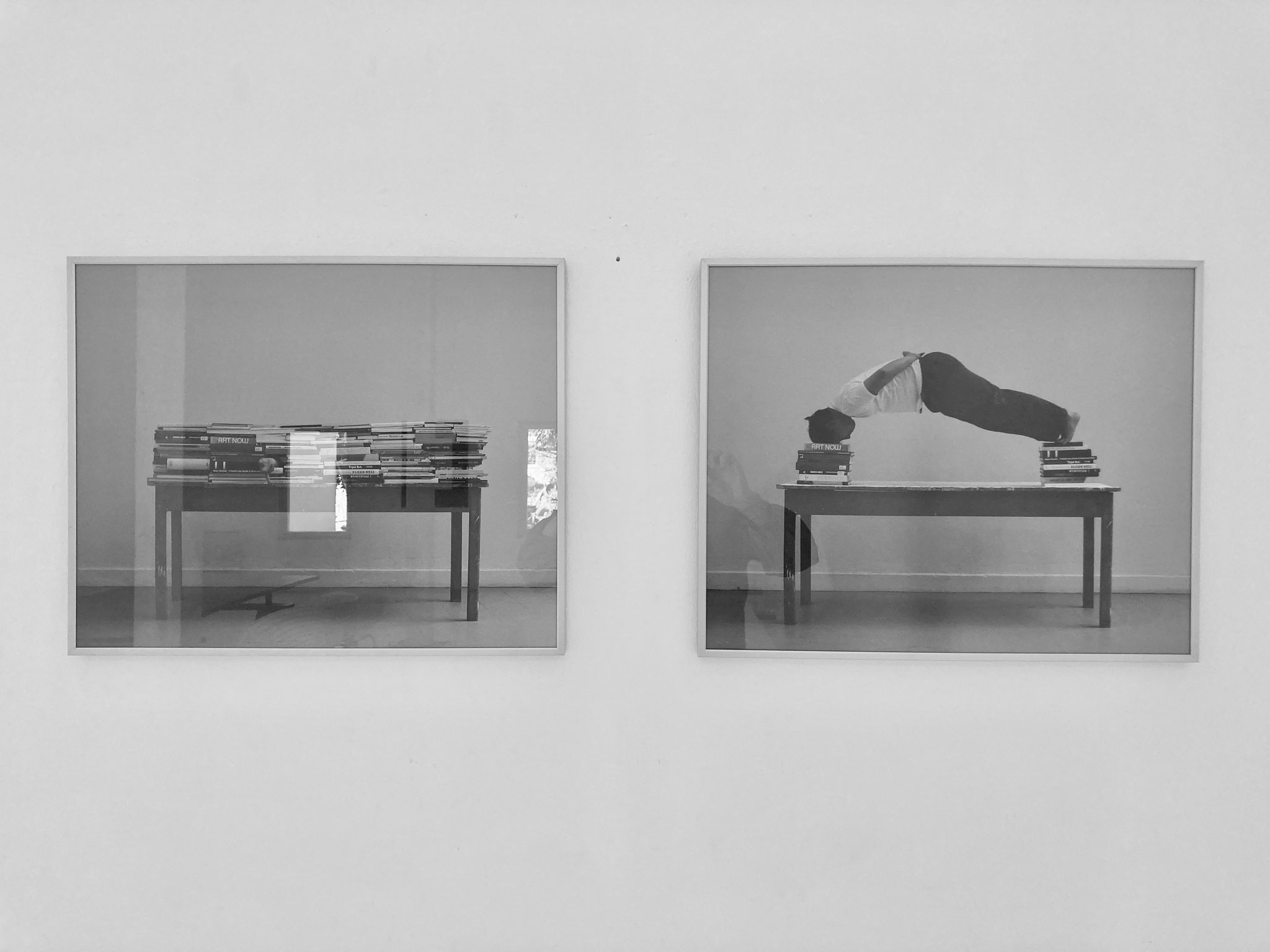
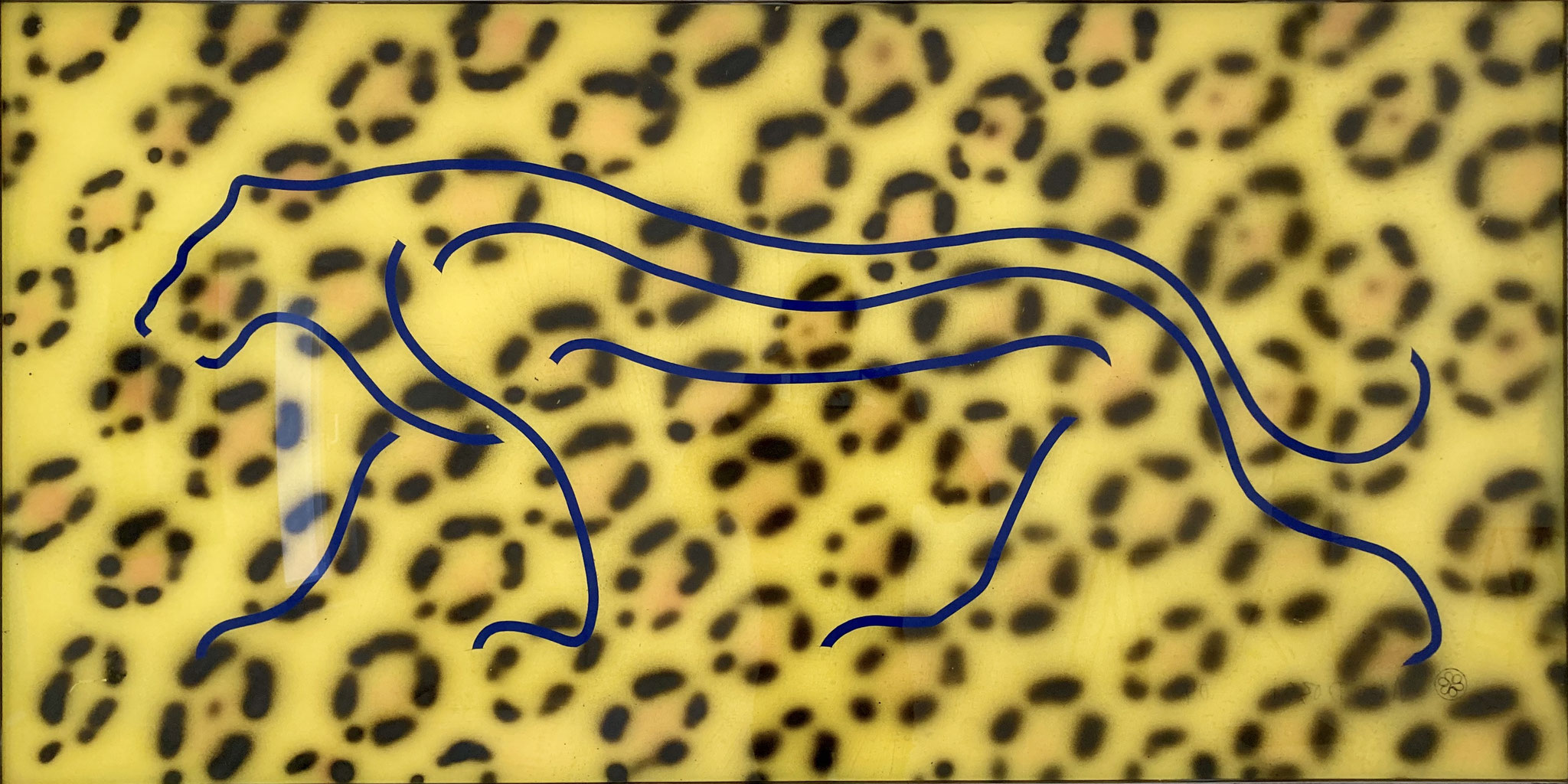
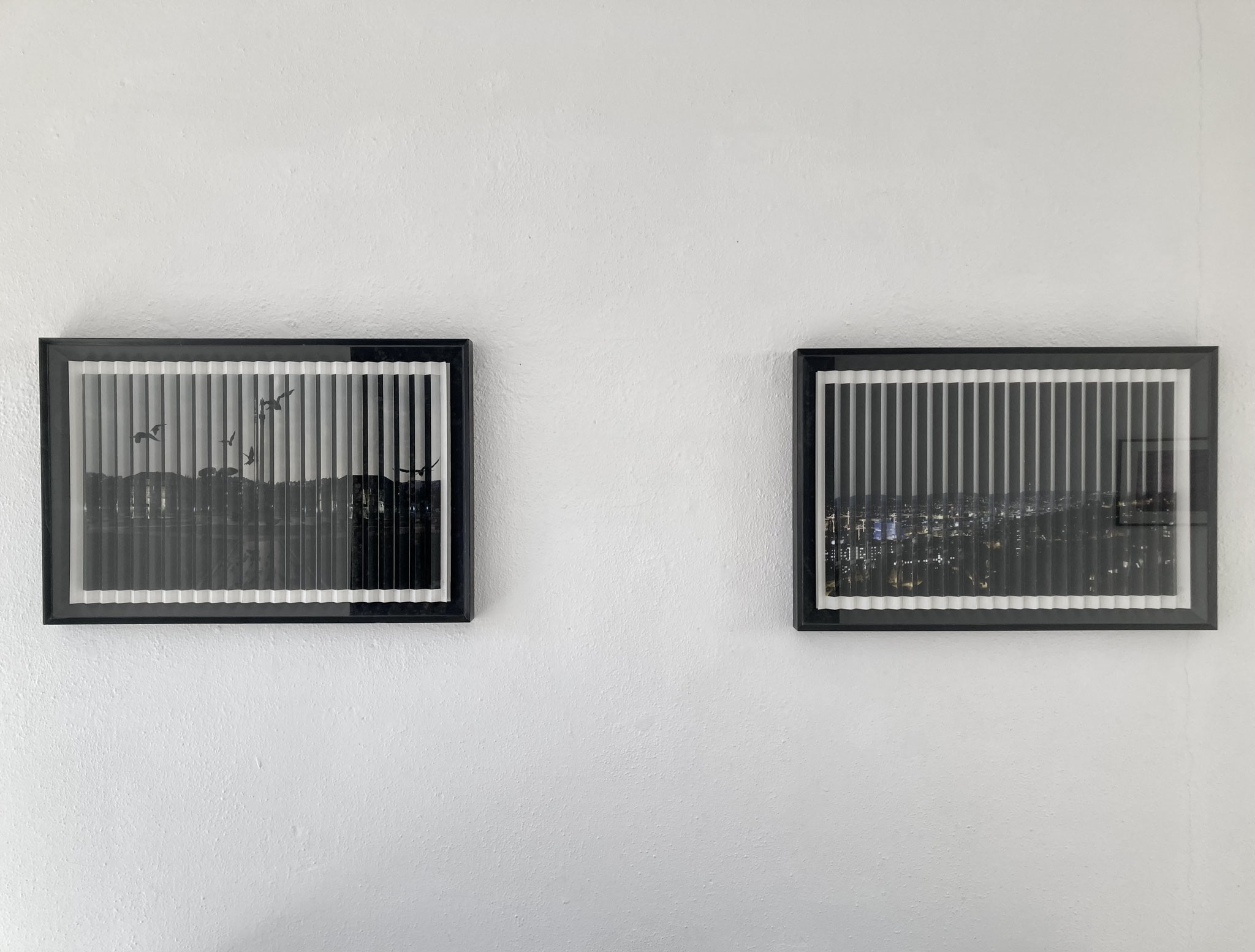
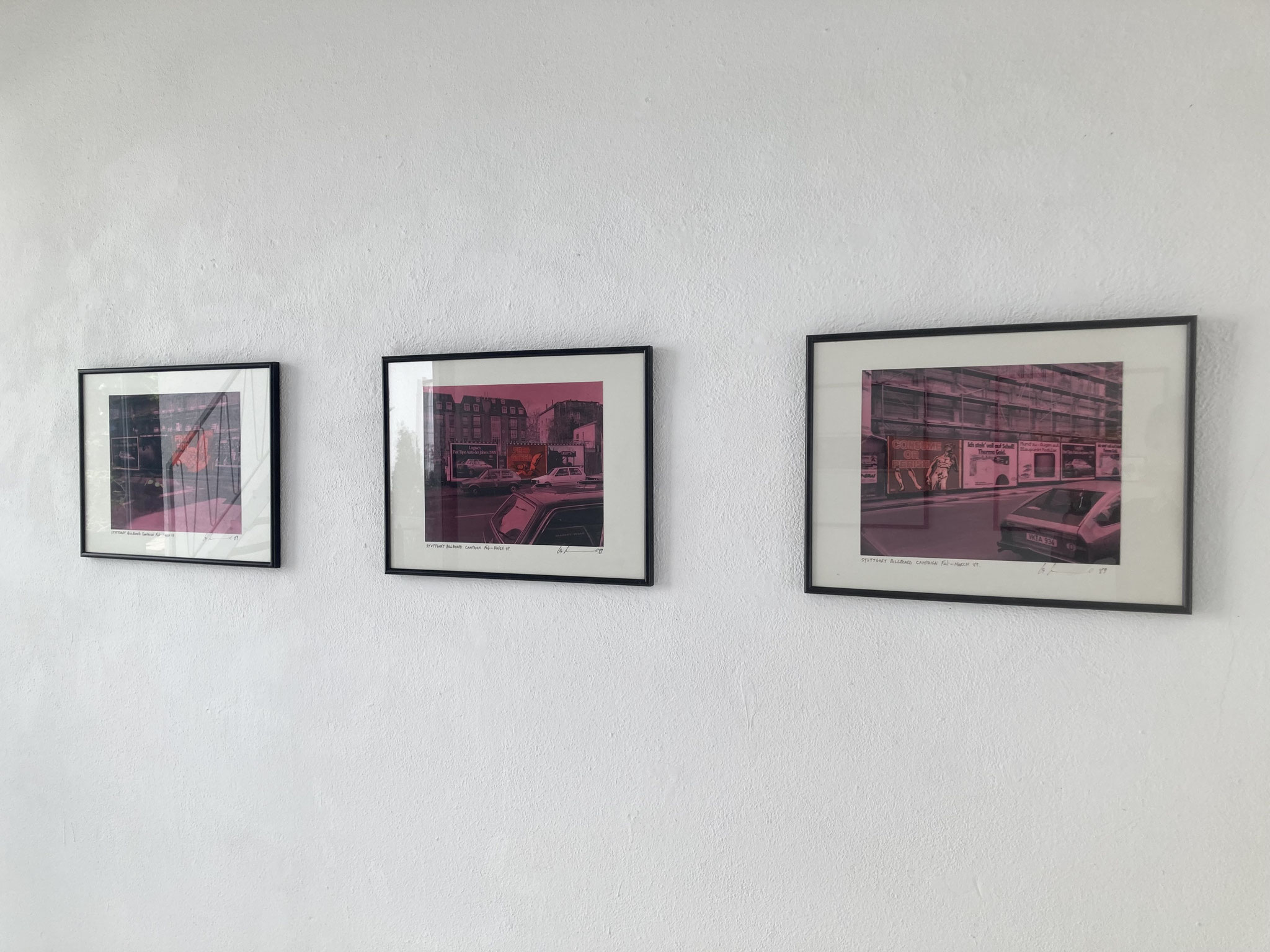
Ugo Dossi nähert sich dem Unsichtbaren über experimentelle und systemische Verfahren. Arbeiten wie EMBRIO (1990) oder GEPARD (1992) sowie seine mit dem Sensographen entwickelten Zeichnungen verweisen auf Prozesse zwischen Bewusstem und Unbewusstem. Im Sinne des automatic drawing fungieren Zeichen als Indikatoren eines Denkens jenseits sprachlicher Kontrolle. Der Sensograph ermöglicht eine zeichnerische Praxis, die sich der Zensur rationaler Sprachlogik entzieht und Kreativität als emergenten Prozess freisetzt. Sangyong Lees fotografisches Relief STUTTGART BY DAY AND NIGHT (2014) basiert auf einer perspektivischen Verschiebung: Je nach Standpunkt erscheint die Stadt im Tages- oder Nachtmodus. Wahrnehmung wird hier als dynamischer, körpergebundener Prozess erfahrbar. Realität erscheint nicht als stabiler Zustand, sondern als Funktion von Perspektive, Bewegung und Position – als situative Konstruktion. Wonho Lee reflektiert die Bedingungen künstlerischer Produktion. In ART NOW (2006) wird der eigene Schreibtisch – bedeckt mit Kunstbüchern – zur Bühne einer Selbstbefragung. Eine zweite fotografische Arbeit integriert die Praxis der Strafübung aus schulischen und militärischen Kontexten und führt Momente von Disziplin, Kontrolle und psychischer Selbstdisziplinierung ein. Sichtbar wird ein Spannungsfeld zwischen individueller künstlerischer Praxis, institutionellen Normierungen und innerem Leistungsdruck. Les Levine etabliert mit seiner media sculpture eine zentrale Position der Medienkritik. Seine Fotografien der Mass Media Billboard Campaigns CONSUME OR PERISH, FEED GREED und PRAY FOR MORE (Stuttgart, 1989) operieren mit reduzierten Bild-Texten und nutzen die Ästhetik der Massenmedien, um deren Funktionsweisen offenzulegen. Levine verschiebt die Rolle des Publikums entscheidend, indem er das Werk als erst im Akt der Rezeption vollendet begreift (Das Kunstwerk vollendet den Betrachter). Antoni Muntadas erweitert diese Perspektive durch eine systematische Analyse der 'unsichtbaren Mechanismen' von Medien, Architektur und Kommunikation. Seine Arbeiten zeigen, dass Bedeutung nicht im einzelnen Bild liegt, sondern in den Strukturen seiner Produktion, Zirkulation und Rezeption. Das Projekt Anarchive n°8 – Muntadas, Media Architecture Projects veranschaulicht diese Methodik anhand der Eisbergmetapher: Während die sichtbare Ebene die Werke präsentiert, offenbart die unsichtbare Schicht Konzept, Prozess und Kontext. Diese Struktur macht deutlich, dass jedes künstlerische Produkt in komplexe gesellschaftliche, politische und technologische Bedingungen eingebettet ist.
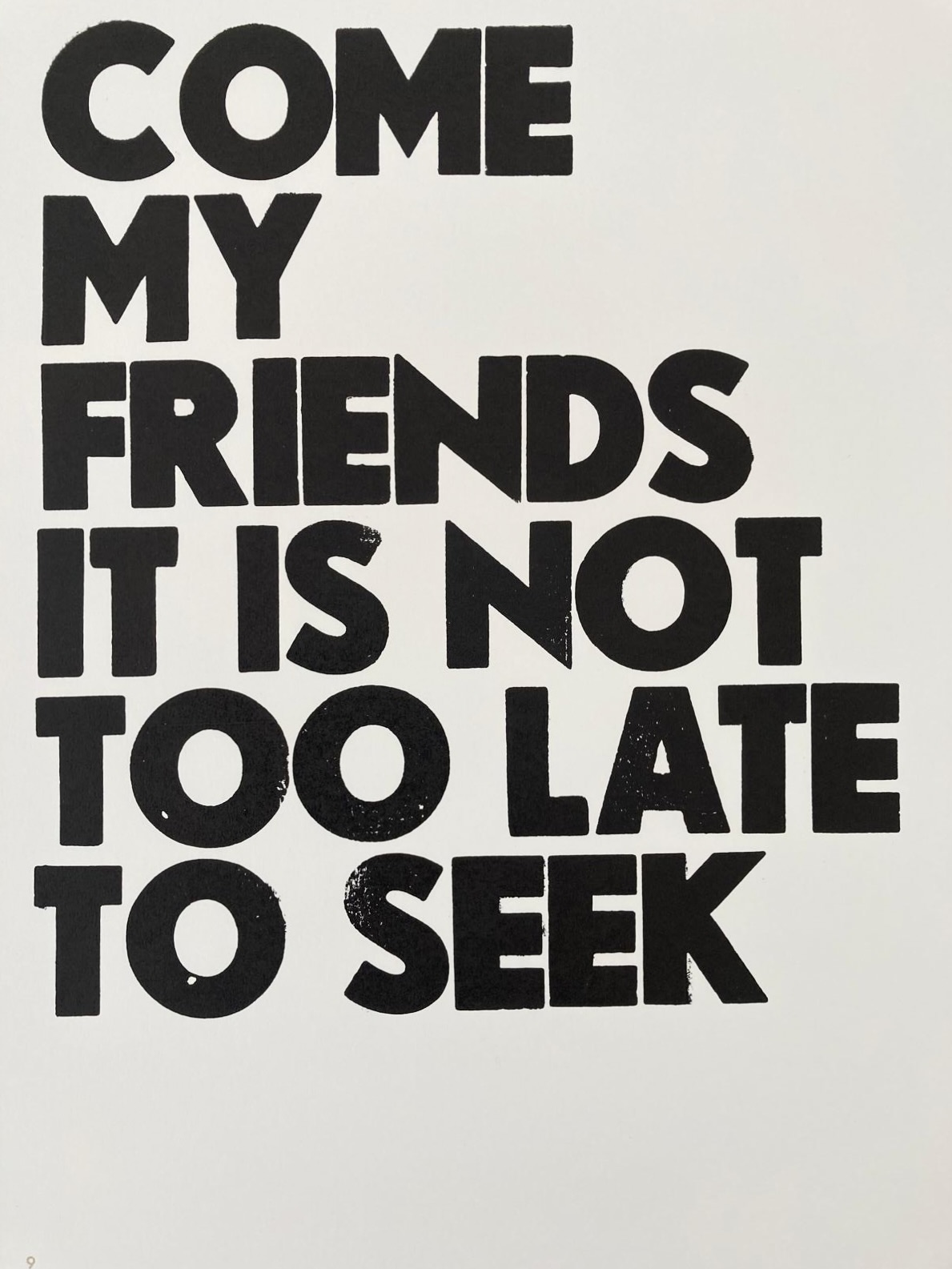
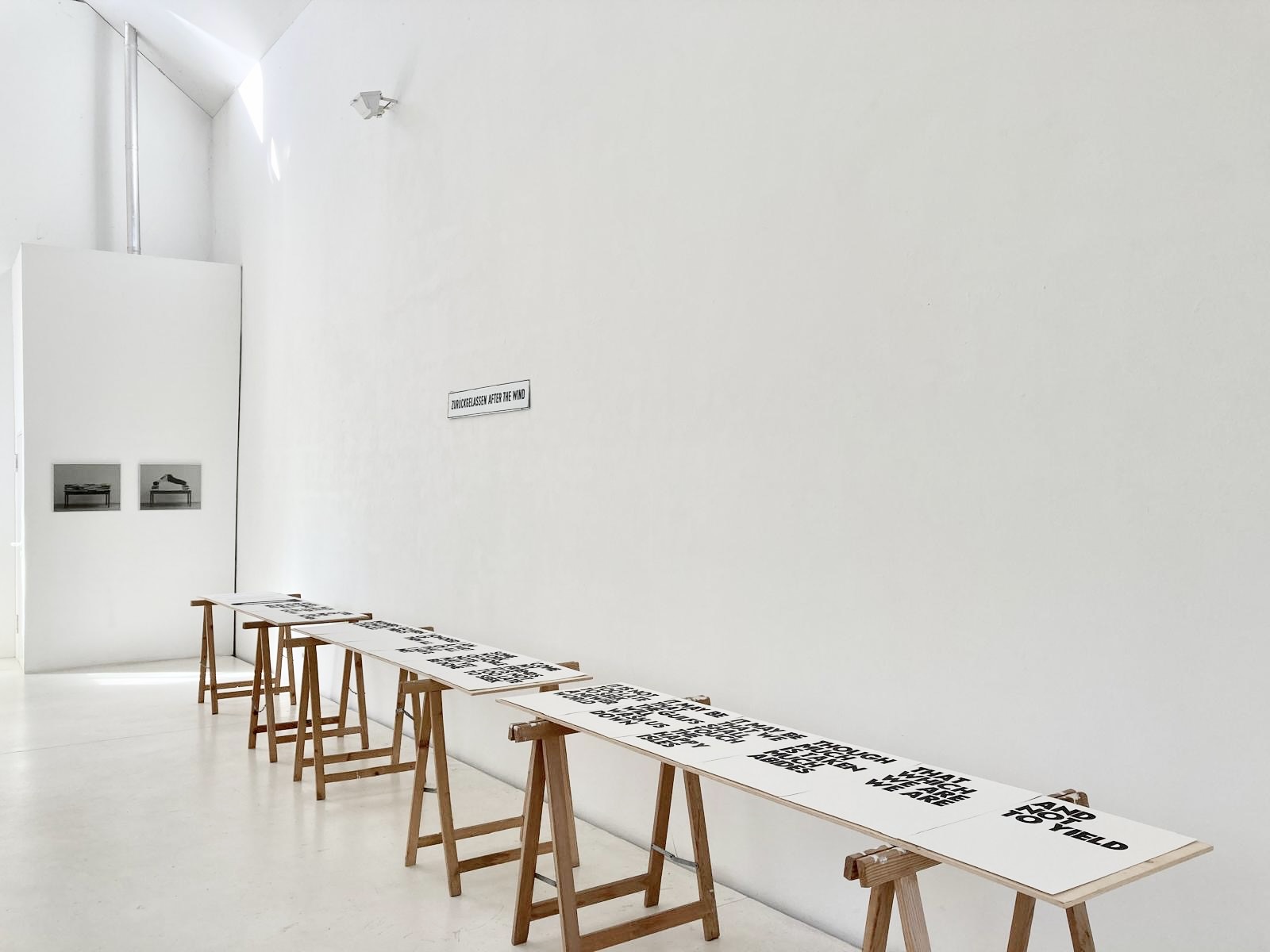
Morgan O’Hara bringt mit ihrem Portfolio ULYSSES (2020) eine literarisch-konzeptuelle Dimension ein. Ausgehend von Alfred Lord Tennysons Gedicht ULYSSES (1833) wird ein historischer Text in die Gegenwart überführt. Die Arbeit thematisiert Zeit, Erinnerung und Kontinuität und fordert durch ihre Materialität eine verlangsamte, konzentrierte Rezeption. Lawrence Weiner reduziert die künstlerische Praxis auf Sprache als skulpturales Medium. Seine Arbeiten existieren als potenzielle Strukturen im Raum und im Denken der Betrachter. In seinen Statements (1968) formuliert er programmatisch: „The artist may construct the piece. The piece may be fabricated. The piece need not be built.“ Bedeutung wird hier als Möglichkeit begriffen, die sich im Akt der Rezeption aktualisiert. Die Ausstellung ist Teil des Galerienwochenendes Art Alarm 2026. Im erweiterten Kontext verweisen künstlerische Positionen wie Christo & Jeanne-Claude auf Formen kollektiver Erfahrung im öffentlichen Raum, insbesondere durch ortsspezifische in-situ Arbeiten, während Christian Boltanski sowie Anne und Patrick Poirier Fragen von Erinnerung und kollektivem Gedächtnis in den Vordergrund rücken. Im Anschluss an Art Alarm 2026 wurde die Ausstellung mit Myra Brooklyn neu ausgerichtet.
Konzeptuell lässt sich SPLENDID ISOLATION im Schnittfeld von Michel Foucaults Diskursanalyse – die die Strukturierung von Wissen und Wahrnehmung durch Macht- und Sprachordnungen beschreibt – und Marshall McLuhans Medientheorie – die das Medium selbst als konstitutive Bedingung von Wahrnehmung bestimmt – einordnen, wobei Les Levines Formulierung the message is the message (1969) diese Perspektive erweitert, indem sie die Autonomie des Kunstwerks und der Kunst an sich hervorhebt. Isolation erscheint in diesem Zusammenhang als analytische Methode. Sie ermöglicht es, Strukturen freizulegen, Komplexität sichtbar zu machen und neue Relationen zu denken. Zugleich bleibt sie ambivalent – als Schutzraum und als Form des Ausschlusses, als produktive Bedingung und als Begrenzung. SPLENDID ISOLATION versteht Isolation daher nicht als Rückzug aus der Welt, sondern als präzise Form der Positionierung innerhalb ihrer Bedingungen – als eine Praxis, das Sichtbare, das Verborgene und das Noch-nicht-Formulierte gleichermaßen in den Blick zu nehmen.
SPLENDID ISOLATION describes a condition of productive seclusion unfolding between withdrawal and openness, autonomy and relationality. Historically rooted in a notion of political self-positioning, the term is rearticulated here as both an aesthetic and epistemological framework: isolation is understood not as a retreat from the world, but as a specific condition through which the world can be perceived and critically engaged. The exhibition brings together works by Myra Brooklyn, Ugo Dossi, Sangyong Lee, Wonho Lee, Les Levine, Antoni Muntadas, Morgan O’Hara, and Lawrence Weiner. The gallery functions as a space of concentration. In a present shaped by constant connectivity, media saturation, and acceleration, isolation becomes a deliberate strategy of reduction. It opens up a mode of perception that allows for difference, sustains ambiguity, and resists the immediate stabilization of meaning—foregrounding instead its emergence over time.Across the exhibition, the works explore how images, texts, and spatial arrangements produce, shift, or withhold meaning. Isolation appears here as a relational condition: it does not stand outside social, political, or media structures, but takes form within them. Myra Brooklyn’s the earth wants to breathe (1983 /2020) unfolds a poetic-ecological horizon. The earth is rendered as a vulnerable organism whose balance is disrupted by human intervention. Through a reduced visual language, the work slows perception and invites a contemplative mode of attention that can be understood as a quiet resistance to extractive systems. Ugo Dossi approaches the invisible through experimental systems and processes. Works such as EMBRIO (1990) and GEPARD (1992), alongside drawings produced with the sensograph (designed by the artist), trace movements between the conscious and the unconscious. In the tradition of automatic drawing, marks become traces of a form of thinking that exceeds linguistic control. The sensograph enables a practice in which drawing unfolds beyond rational constraint, allowing creativity to emerge as process rather than intention. Sangyong Lee’s photographic relief STUTTGART BY DAY AND NIGHT (2014) is structured through a shift in perspective: depending on the viewer’s position, the city appears either in daylight or at night. Perception becomes a bodily, temporal experience. Reality is not fixed, but contingent—shaped by movement, viewpoint, and situational conditions. Wonho Lee turns to the conditions of artistic production itself. In ART NOW (2006), his desk—covered with art books—becomes a site of reflection. A second work introduces the act of disciplinary exercise, drawn from educational and military contexts, bringing in elements of control, repetition, and psychological pressure. What emerges is a tension between artistic freedom, institutional frameworks, and internalized expectations. Les Levine’s concept of media sculpture marks a key position in media critique. His handcoloured photographs of the mass media billboard campaigns CONSUME OR PERISH, FEED GREED and PRAY FOR MORE (Stuttgart, 1989) employ minimalist image-text combinations and utilise the aesthetics of the mass media to reveal how they operate. Levine redefines the role of the viewer, proposing that the artwork is completes in the act of reception. Antoni Muntadas extends this inquiry through a sustained investigation of the invisible mechanisms shaping media, architecture, and communication. His work emphasizes that meaning is not located within the image itself, but within the systems that frame its production and circulation. This approach is exemplified in Anarchive n°8 – Muntadas, Media Architecture Projects, structured through the metaphor of the iceberg: the visible layer of the work is underpinned by a much larger field of concepts, processes, and contextual conditions. Morgan O’Hara introduces a literary and temporal dimension with her portfolio ULYSSES (2020). Drawing on Alfred Lord Tennyson’s poem (1833), she recontextualizes a historical text for the present. The work engages with time, memory (lost of his loved friend), and continuity in life, while its material presence calls for a slow, attentive mode of reading. Lawrence Weiner reduces artistic practice to language as a sculpture. His works exist as structures—activated in space and / or in the viewer’s mind. As he states: The artist may construct the piece. The piece may be fabricated. The piece need not to be built. Meaning remains open, contingent upon its reception.
The exhibition is part of the gallery weekend Art Alarm 2026. In a broader context, artists such as Christo & Jeanne-Claude foreground collective experience in public space through site-specific interventions, while Christian Boltanski and Anne and Patrick Poirier address questions of memory and collective remembrance. Following Art Alarm 2026, the exhibition was reconfigured with the inclusion of Myra Brooklyn. Conceptually, SPLENDID ISOLATION can be situated at the intersection of Michel Foucault’s discourse analysis—concerned with how knowledge and perception are structured through systems of power and language—and Marshall McLuhan’s media theory, which identifies the medium itself as shaping perception, while Les Levine’s statement the message is the message (1969) further underscores the autonomy and self-referential nature of mediated forms. In this context, isolation operates as an analytical tool: it reveals structures, renders complexity visible, and enables new relations to emerge. At the same time, it remains inherently ambivalent—functioning both as a space of protection and as a form of exclusion, as a condition of possibility and of limitation. SPLENDID ISOLATION thus proposes isolation not as withdrawal, but as a precise mode of engagement—a way of attending to the visible, the hidden, and the not-yet-articulated alike.
B R I G I T T E M A R C H S T U T T G A R T